
Logic vs Persuasion: Why the Best Argument Doesn't Win
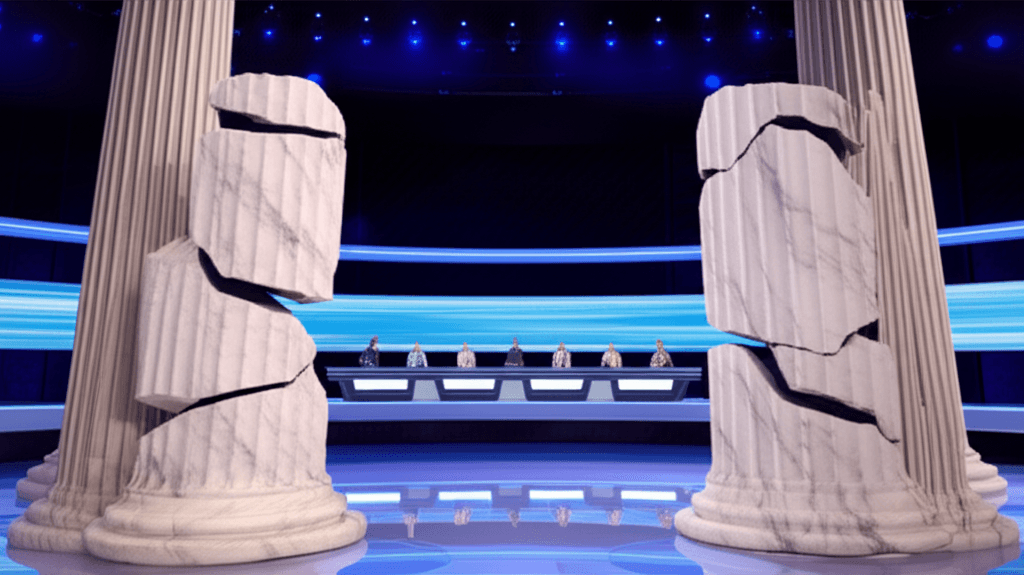
Logic determines whether an argument is true. Persuasion determines whether anyone accepts it. They're different skills, and the difference explains why the best argument almost never wins: philosophy spent 2,500 years perfecting the first and treating the second as an afterthought, which is why you can be flawlessly right and change nobody's mind.
The story philosophy tells itself: two people present their arguments, the better argument prevails, truth emerges. Socrates did it, Aristotle systematized it, the Enlightenment built governments on it. Beautiful story. In practice, wrong.
Did the Greeks believe the best argument wins?
The Greeks gave us formal logic, structured debate, and the idea that reason could settle disputes. Socrates cornered opponents with questions until their positions collapsed under their own contradictions. The better thinker won. Clean, elegant, fair.
Except Athens executed him for it. His victories in argument didn't persuade the city. They annoyed it. The most successful speakers in Athens weren't the most logical. They were the most persuasive.
Aristotle understood the distinction. He wrote Analytics about logic and Rhetoric about persuasion, and treated them as separate disciplines. Somewhere along the way we merged them and started acting as if presenting a valid argument was sufficient to change a mind. It isn't. It never was.
Why do good arguments lose?
If the best argument always won, scientific consensus would have ended the climate debate decades ago and economic data would settle tax policy. Arguments win on factors that have little to do with logical validity.
Emotional resonance beats logical structure. We evolved to respond to narrative, faces, and emotion; abstract logic is a recent invention our brains process with effort. A flawless syllogism about healthcare economics loses to "my grandmother couldn't afford her medication" every time.
Identity trumps evidence. Once a belief becomes part of someone's identity, you're arguing against a person's sense of self, not a proposition. Jonathan Haidt describes moral reasoning as a rider on an elephant: intuition and identity go where they want, and reason mostly explains the route afterward. The best argument in the world is a very articulate rider on someone else's elephant.
Source credibility outweighs argument quality. The same argument lands differently from a Nobel laureate than from an anonymous commenter. Not entirely irrational, since nobody can verify everything personally. But a mediocre argument from a trusted source beats a great argument from a distrusted one.
Going first matters more than being right. The first argument someone hears disproportionately shapes their view. By the time the better argument arrives, it isn't writing on a blank slate. It's renovating an occupied building.
What did philosophers miss about persuasion?
Philosophers built systems for what makes an argument good: validity, fallacies, soundness. They largely ignored the second problem: given a valid argument, how do you get a human being to accept it? The fields that actually move people, like negotiation, therapy, and political campaigning, solved it long ago. They reduce threat so new information doesn't feel like an attack. They give face-saving exits. They wrap evidence in narrative. They build trust before making claims. None of that appears in a logic textbook.
The deepest irony belongs to Socrates himself. Read the dialogues carefully: his interlocutors don't have epiphanies. They get frustrated, concede grudgingly, and go back to believing what they believed. Thrasymachus doesn't leave the Republic converted. He leaves annoyed. Socrates proved that people's beliefs were inconsistent. He never proved that exposing inconsistency motivates change.
Pascal saw it plainly: people are better persuaded by reasons they discovered themselves than by reasons that came from someone else. The best argument isn't the one you present. It's the one you help the other person arrive at.
What actually changes people's minds?
A few things, consistently. "A devastating logical argument" isn't on the list.
Experience over argument. People change their views on immigration when they get immigrant neighbors, and on disability when they experience it. Direct experience overwrites abstract reasoning almost every time.
Trusted sources over logic. When someone you respect changes their position, it gives you permission to change yours. One prominent defection can shift a whole community.
Gradual exposure over sudden confrontation. Minds move through repeated low-threat encounters with a perspective, not one decisive blow.
Questions over statements. Ask someone to explain the mechanics of their own position in detail. When people discover they can't, they naturally become less certain. It works better than any counterargument, and it's exactly why changing your mind feels so threatening when someone else forces it instead.
Logic isn't irrelevant. It supplies the raw material. It's necessary infrastructure, not the thing that moves people.
How should you argue, then?
Keep the philosopher's commitment to truth. Adopt the rhetorician's understanding of humans.
Argue to understand, not to win. The moment you're trying to win, the other person starts defending instead of thinking, and so do you.
Make their case better than they can. Before arguing against a position, demonstrate you understand it. It earns trust and forces you to fight the strongest version instead of a strawman. Competitive debaters train this deliberately.
Accept that some disagreements aren't logical. "Individual freedom or collective welfare?" isn't a question logic can answer. Treating value disagreements as logic problems is a category error.
Be willing to lose. Genuinely changing your mind when the evidence warrants is the most persuasive move available. It models honesty, builds trust, and it's the only way the truth-seeking process works at all.
Philosophy wasn't wrong that arguments matter. It was wrong that the best one automatically wins. The best argument is the starting point. Delivery, messenger, and whether the other person feels safe enough to consider it decide the rest.
Related Posts
How to Win an Argument When Being Right Isn't Enough
Facts don't win arguments. People do. The seven mistakes that make right people lose, and what to do at each level: logic, emotion, identity.
Does AI Understand What It Says? No. It Argues Anyway
AI builds arguments it cannot understand, and they are often better than ours. What that split reveals about what arguments actually are.
What Is a Steelman Argument (and Why You've Never Heard One)
A steelman is the strongest version of the case against you. Most people have never faced one. The research on the steelman gap and how to close it.
You just read the argument. Can you make one?
The AI takes the other side, every time. Three rounds, one scored verdict.
Argue today's Daily